
What You Don’t See Can Breach You:
Understanding Your Hidden External Attack Surface
5/8/20243 min read
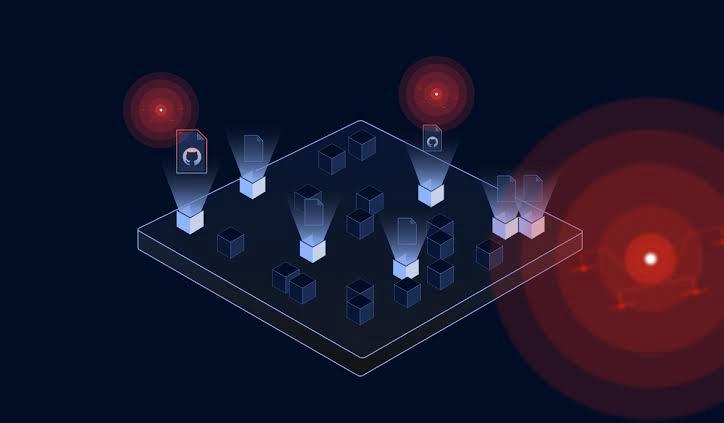
In modern enterprise environments, the majority of successful cyberattacks begin with assets organizations don’t even know exist. Every forgotten server, unmonitored cloud service, subdomain, staging environment, or misconfigured network device creates an unseen doorway for attackers. Exposure is often silent until it is exploited, and by that time, the consequences can be severe. Understanding and managing your external attack surface is no longer optional — it is essential for organizational resilience, regulatory compliance, and brand protection.
The Reality of Unseen Exposure
Organizations today operate in highly distributed and dynamic environments:
Cloud-native workloads
SaaS integrations Remote-access VPNs and portals
Legacy servers and forgotten test environments
Third-party API connections
While these systems accelerate innovation, they also dramatically increase the external attack surface. Most internal teams lack complete visibility over these assets. Shadow IT, expired domains, stale subdomains, and exposed APIs create risk zones that attackers actively seek. From an adversary’s perspective, anything reachable from the internet is fair game, regardless of whether your internal security team is aware of it.
Why Hidden Assets Are Exploited First
Attackers prioritize low-resistance targets. They don’t waste time on well-defended assets if a forgotten server, misconfigured database, or exposed API can be compromised in minutes.
Common attack vectors for hidden assets include:
Open ports and misconfigured service
Staging or development environments exposed to the public
Exposed credentials and API keys
Forgotten third-party software with default configurations
Leaked sensitive data from mismanaged cloud storage
Unchecked, these vulnerabilities provide a stepping stone into the internal network, potentially bypassing perimeter defenses entirely.
The Limitations of Internal Visibility
Traditional security approaches are often blind to hidden assets:
Asset inventories are incomplete
Automated vulnerability scans cover only known systems
Security monitoring focuses on production infrastructure
Shadow IT and rapid cloud deployments go untracked
This gap allows attackers to operate without resistance, turning seemingly minor oversights into high-impact breaches.
How External Attack Surface Assessments Reduce Risk
A professional External Attack Surface Assessment (EASA) evaluates your environment from an attacker’s perspective. It identifies every asset visible externally, maps potential attack paths, and highlights the most critical exposure points.
At Stealth Layer Security, our approach includes:
1. Comprehensive Asset
Discovery Identify all internet-facing hosts, domains, subdomains, cloud instances, and thirdparty integrations.
2. Exposure Analysis
Detect misconfigurations, open services, outdated software, leaked credentials, and sensitive data exposure.
3. Threat Simulation
Emulate attacker behavior to understand how vulnerabilities could be exploited in practice.
4. Risk Prioritization
Quantify business impact and likelihood of exploitation to ensure remediation focuses on high-value risks first.
5. Actionable Reporting
Deliver clear, executive-friendly recommendations aligned with technical remediation steps, providing both leadership and technical teams with actionable insights.
This approach converts uncertainty into control, ensuring your organization understands exactly where it is exposed before attackers find it.
Strategic Value for Executives
External Attack Surface Assessments do more than identify vulnerabilities — they enable leadership to make informed strategic decisions:
Optimize security investment based on true exposure
Reduce likelihood of regulatory or compliance breaches
Protect operational continuity and critical business services
Maintain customer trust and brand reputation
Inform risk-based security strategies across the enterprise
Organizations that proactively manage their attack surface can anticipate threats rather than react to incidents — turning security into a strategic advantage.
Why Stealth Layer Security Stealth Layer
Security approaches external attack surfaces with a real-world adversary mindset. Our methodology is designed to simulate attacker behavior, uncover hidden risks, and deliver insights in business-impact terms, not just technical findings.
We prioritize:
Comprehensive discovery over partial visibility
Realistic attack simulation over theoretical vulnerability lists
Actionable insights over technical noise
Because knowing that a vulnerability exists is valuable only if it can be remediated effectively and strategically.
Conclusion
Most breaches are not the result of sophisticated attacks — they are the result of overlooked exposure. If your organization has systems connected to the internet, you are already being scanned and mapped by potential attackers. The only question is: “Do you find the weaknesses first, or will an adversary exploit them?” Proactive external attack surface management is the only way to stay ahead of the threats that are already looking for you. Stealth Layer Security ensures your organization has full visibility, measurable risk reduction, and strategic insight, protecting your business before an attack occurs